The World-Famous Thermal Baths of Baden-Baden
Baden-Baden owes its legendary reputation to the thermal springs that bubble up from deep beneath the Florentinerberg hill. Reaching temperatures between 56 and 68 degrees Celsius, these mineral-dense waters have been cherished since ancient Roman times for their restorative qualities. Today, the town features two distinct thermal establishments that cater to different wellness preferences, making a spa visit the absolute centerpiece of any trip to the region.
Whether you seek modern wellness facilities or an immersive historic bathing ritual, Baden-Baden offers unmatched thermal traditions. The natural mineral content of the local springs is known to soothe joints, improve circulation, and promote deep physical relaxation after a day spent exploring regional historic sights, cultural venues, and scenic mountain trails.
Caracalla Therme Spa Complex
Caracalla Therme is a modern and expansive bathing sanctuary named after the Roman emperor who frequented the local thermal springs. Spanning over 4000 square metres, the complex features large indoor and outdoor pools filled with warm thermal water, rock grottoes, whirlpools, and current channels. Visitors wearing standard swimwear can enjoy the extensive sauna landscape, outdoor sunbathing lawns, and relaxing aromatherapy steam rooms designed for modern comfort.
Friedrichsbad Roman-Irish Bath
Friedrichsbad offers an extraordinary historic bathing experience housed inside a magnificent 19th-century Neo-Renaissance palace. Opened in 1877, this traditional bathhouse follows a classic 17-step thermal journey that combines dry warm air, steam rooms, thermal pool immersion, and soap-brush massages under a soaring central dome. In keeping with historic bathing culture, Friedrichsbad is a textile-free establishment where nude bathing is strictly mandatory throughout the venue.
Strolling Through Lichtentaler Allee and Historic Gardens
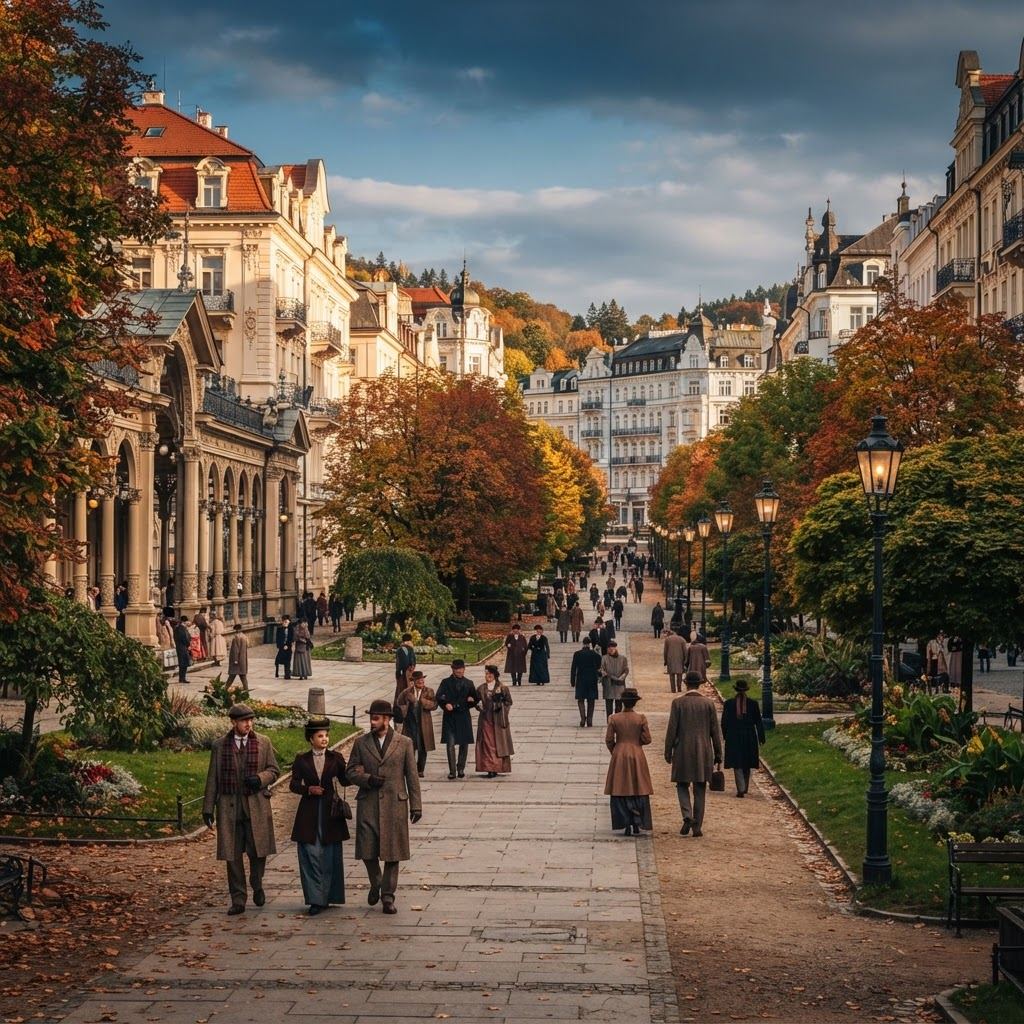
Stretching for two and a half kilometres along the banks of the Oos River, Lichtentaler Allee is one of Europe's most beautiful historic parklands. Planted in the 19th century as a stylish promenade for international aristocracy, the arboretum features over 300 species of native and exotic trees, including ancient oaks, azaleas, and magnificent lime trees. The gravel path meanders past ornamental bridges, grand villas, and lush manicured lawns, offering a tranquil setting for morning strolls or afternoon relaxing.
At the southern end of the avenue lies the Gönneranlage, a stunning rose garden featuring hundreds of blooming varieties, marble fountains, and elegant pergolas. Beyond its botanical splendour, Lichtentaler Allee serves as the green spine connecting Baden-Baden's key cultural landmarks. Walking along this avenue during spring when the magnolias bloom, or in autumn when the foliage transforms into vibrant golden hues, reveals the timeless romantic charm of the town.
Cultural Monuments: Casino Baden-Baden and Museums
Baden-Baden's cultural heritage matches its architectural grandeur, with venues that have hosted prominent writers, composers, and royalty throughout history. The town's historic Kurhaus district forms the social heart of the community, where grand galas, classical concerts, and literary gatherings take place throughout the year. Visitors can explore world-renowned gaming halls, classical concert venues, and contemporary art spaces all situated within walking distance of the central Lichtentaler Allee promenade.
The Historic Kurhaus and Casino
The Casino Baden-Baden, located within the elegant Kurhaus, was famously described by Marlene Dietrich as the most beautiful casino in the world. Inspired by the French palaces of Fontainebleau and Versailles, its gilded gaming halls feature crystal chandeliers, silk wall hangings, and historic gaming tables. Visitors can take guided morning tours to appreciate the regal interior design or return in the evening to experience traditional table games under a formal dress code.
Museum Frieder Burda and Kunsthalle
Art enthusiasts should not miss the Museum Frieder Burda, a modern architectural masterpiece designed by renowned architect Richard Meier. Brilliant white walls and natural light illuminate an impressive private collection of modern and contemporary art, including works by Picasso, Chagall, and Gerhard Richter. Situated adjacent to the historic Staatliche Kunsthalle, the museum creates a vibrant artistic hub directly integrated into the greenery of Lichtentaler Allee.
Gateway to the Black Forest and Panoramic Excursions
Beyond the town center, Baden-Baden serves as the northern entry point to the Black Forest, offering immediate access to dramatic woodland trails and mountain summits. Hiking routes lead directly from the town edge into deep evergreen forests, where historic ruins like the Altes Schloss Hohenbaden provide panoramic viewpoints over the Rhine Valley towards the Vosges mountains of France. The combination of manicured urban parks and rugged mountain scenery makes Baden-Baden an exceptional base for outdoor recreation.
Merkurberg Funicular Railway
For spectacular aerial vistas of Baden-Baden and the surrounding Black Forest peaks, take the Merkurbergbahn funicular railway up the Merkur Mountain. Operating since 1913, this steep railway ascends to an elevation of 668 metres in just a few minutes. At the summit, visitors find a free observation tower, a panoramic restaurant, paragliding launch sites, and well-marked walking paths suitable for all fitness levels.
Black Forest High Road Drive
The Black Forest High Road, or Schwarzwaldhochstraße, begins in Baden-Baden and winds along crests reaching heights of over 1000 metres. This scenic driving route offers breathtaking stopovers, including the legendary Mummelsee, a glacial lake shrouded in local folklore, and numerous panoramic lookout platforms overlooking dense pine forests and peaceful valleys.
Planning Your Trip: Travel Options and Airport Access
Positioned roughly 60 kilometres northeast of Strasbourg across the Rhine, Baden-Baden is ideally situated for day trips or extended regional stays. Travelers arriving from France can cross the border easily, combining an Alsatian itinerary with a relaxing German thermal experience.
Reaching Baden-Baden by train involves regional or high-speed express connections arriving at Baden-Baden station, situated about 5 kilometres west of the town center, requiring a short local bus ride to reach the central hotels. Karlsruhe/Baden-Baden Airport (FKB) is located just 15 kilometres away, serving numerous European connections. For those traveling with heavy luggage, young children, or tight schedules, reserving a private driver offers a comfortable, direct connection straight from your doorstep or terminal.
Gastronomy, Shopping, and Best Seasons to Visit
Baden-Baden offers exceptional dining experiences ranging from traditional Baden gasthäuser serving hearty local specialities to Michelin-starred establishments presenting modern European gastronomy. Regional wine lovers can sample exceptional Riesling and Pinot Noir produced in the nearby Rebland wine hills, accompanied by delicious local pastries like the famous Black Forest gateau.
The pedestrian town center is lined with high-end fashion boutiques, jewellery stores, and artisanal food shops. While spring and early autumn provide mild weather perfect for hiking and garden walks, winter brings magical festive cheer with the Christkindelsmarkt set against the backdrop of the illuminated Kurhaus. No matter when you choose to visit, Baden-Baden promises an enchanting blend of wellness, culture, and nature.