Iconic Christmas markets of Alsace
Alsace is world-renowned as the cradle of Christmas market traditions, hosting festive celebrations that date back to 1570. Throughout late November and December, historic towns deck their timbered facades with glowing garlands, pine wreaths, and elaborate light installations, creating a magical winter atmosphere straight out of a fairytale storybook. Visiting these historic markets offers an unforgettable journey into holiday heritage.
Strasbourg Capital of Christmas
As the self-proclaimed Capital of Christmas, Strasbourg hosts the famous Christkindelsmarik spread across more than ten historic squares. Place Kleber features a giant thirty-metre decorated pine tree, while wooden chalets surrounding the Gothic cathedral sell handcrafted glass ornaments, nativity figures, and sweet spiced gingerbread.
Colmar fairytale market scene
Colmar transforms its historic center into six distinct Christmas markets, each nestled in historic squares framed by preserved Renaissance buildings. Illumination design casts soft colours onto ancient facades, while canal waters in Little Venice reflect glowing holiday decorations, making Colmar an extraordinarily romantic winter stop.
Fairytale village markets in Kaysersberg and Riquewihr
Beyond the major urban centres, Alsatian wine villages offer intimate festive markets centered around authentic local craftsmanship, regional heritage, and warm community celebrations. Exploring these smaller village markets provides a peaceful contrast to city crowds, allowing visitors to connect directly with local artisans inside historic courtyard settings throughout the magical winter holiday season.
Artisanal craft markets in Kaysersberg
Open on Advent weekends, Kaysersberg's Christmas market emphasizes genuine local handcrafts. Set against the backdrop of a ruined castle and fortified bridge, wooden chalets display hand-blown glass, wooden toys, ceramics, and gourmet preserves created by regional artisans working in traditional techniques.
Medieval charm in Riquewihr
Riquewihr combines its sixteenth-century ramparts with twinkling festive lights and winter greenery. Walking down the cobblestone main street past historic wine estates feels like stepping into a holiday storybook, complete with hot spiced wine stalls, artisan gingerbread, and fragrant roasted almonds.
Enchanting German Christmas markets across the Rhine
Just across the Rhine river, Germany's Baden-Wurttemberg region boasts world-famous holiday markets set against grand spa towns, historic cathedral squares, and scenic Black Forest landscapes. Crossing the border allows travellers to compare distinct French and German festive traditions, sampling unique regional treats and admiring varied holiday decorations in a single memorable winter trip.
Baden-Baden and Gengenbach advent calendar
Baden-Baden's Christkindelsmarkt sits elegantly in front of the illuminated Kurhaus colonnade, offering open-air concerts and luxury artisan stalls. In nearby Gengenbach, the eighteenth-century town hall transforms into the world's largest house advent calendar, opening a new artistically decorated window every evening at six o'clock.
Freiburg and Black Forest markets
Freiburg im Breisgau hosts a vibrant market around its historic Munster cathedral square, famous for wooden crafts and puppet makers. Deeper in the Black Forest, Titisee and the dramatic Ravenna Gorge host unique markets set under soaring railroad viaducts surrounded by snow-covered pine trees.
Must-try festive food and warm seasonal drinks
Culinary highlights are central to the Christmas market experience on both sides of the border. Visitors stroll between wooden chalets guided by tempting scents of melted raclette cheese, roasted chestnuts, sizzling sausages, and simmering winter spices. Tasting local treats is an essential tradition for marketgoers of all ages exploring the illuminated market squares.
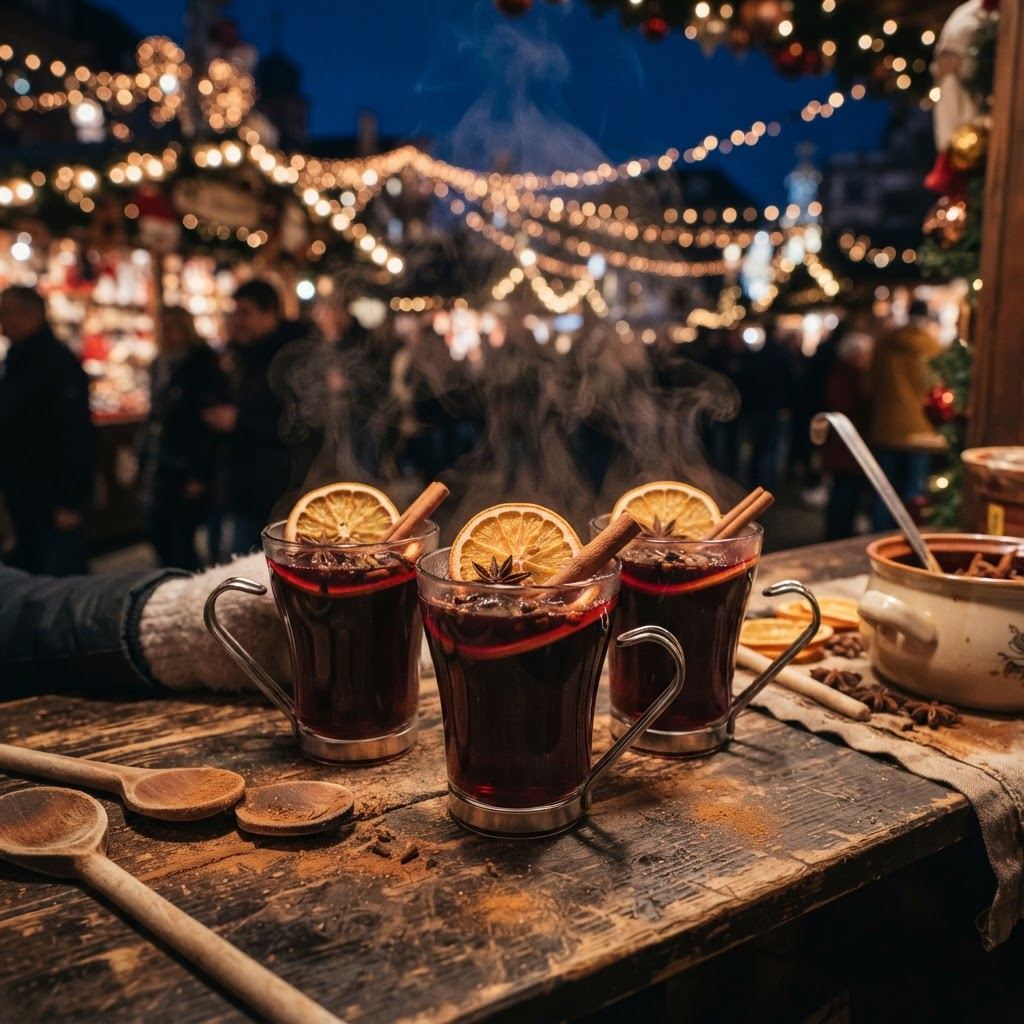
Warm up with vin chaud in France or Gluhwein in Germany, served in collectible ceramic mugs that you can keep as souvenirs. Sample traditional bredele spiced butter biscuits, warm tarte flambee, sizzling bratwurst sausages, and pain d'epices gingerbread coated in rich chocolate or sugar glaze while taking in the enchanting festive sights.
Crafting a multi-day cross-border market itinerary
A four-day cross-border itinerary allows you to experience the rich contrast between French and German holiday traditions. Begin your trip with two days in Strasbourg and Colmar, taking evening walks to admire brilliant light displays and sample Alsatian culinary specialties in historic winstubs throughout the historic city centre.
Spend day three crossing into Germany to visit the Baden-Baden market and witness the evening advent calendar window opening in Gengenbach. Conclude day four in Freiburg or the Black Forest, exploring artisan woodcarving workshops before returning to Strasbourg in the evening after a wonderful festive journey.
Practical advice for seamless holiday market travel
Christmas markets generally run from late November through December twenty-four, with select German markets remaining open into early January. Weekdays offer calmer crowds and shorter queues at food chalets, whereas weekends feature live choir performances, brass bands, and festive evening parades throughout the illuminated market streets.
Navigating multiple markets across international borders during winter weather can present parking challenges and crowded transit routes. Hiring a private driver makes multi-market day trips effortless, providing warm vehicles, spacious trunk storage for market shopping bags, and flexible point-to-point travel between France and Germany throughout your holiday market tour.